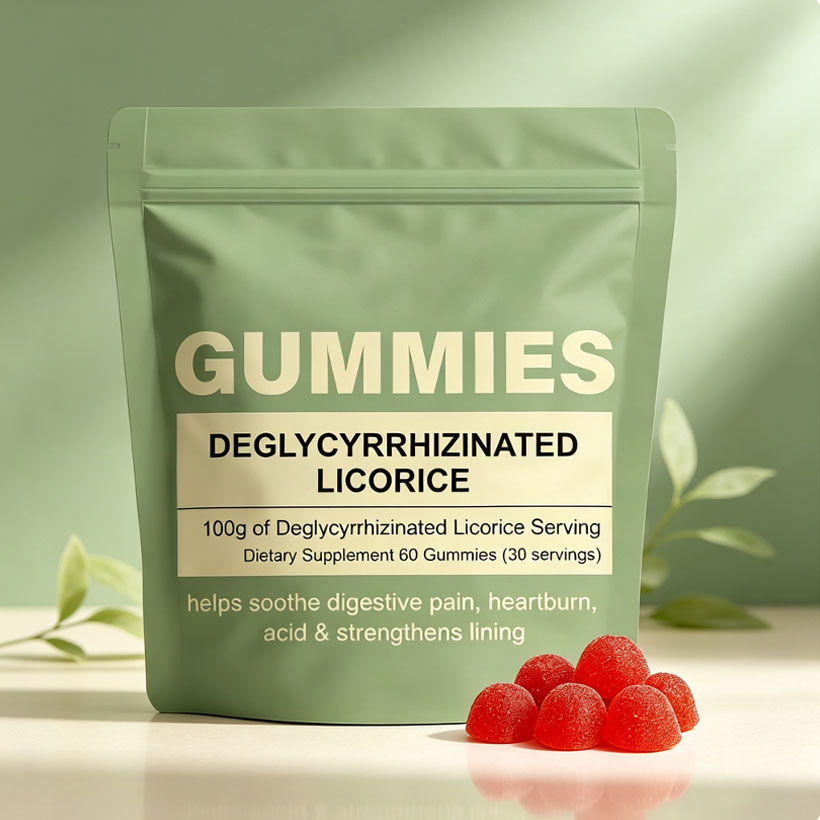
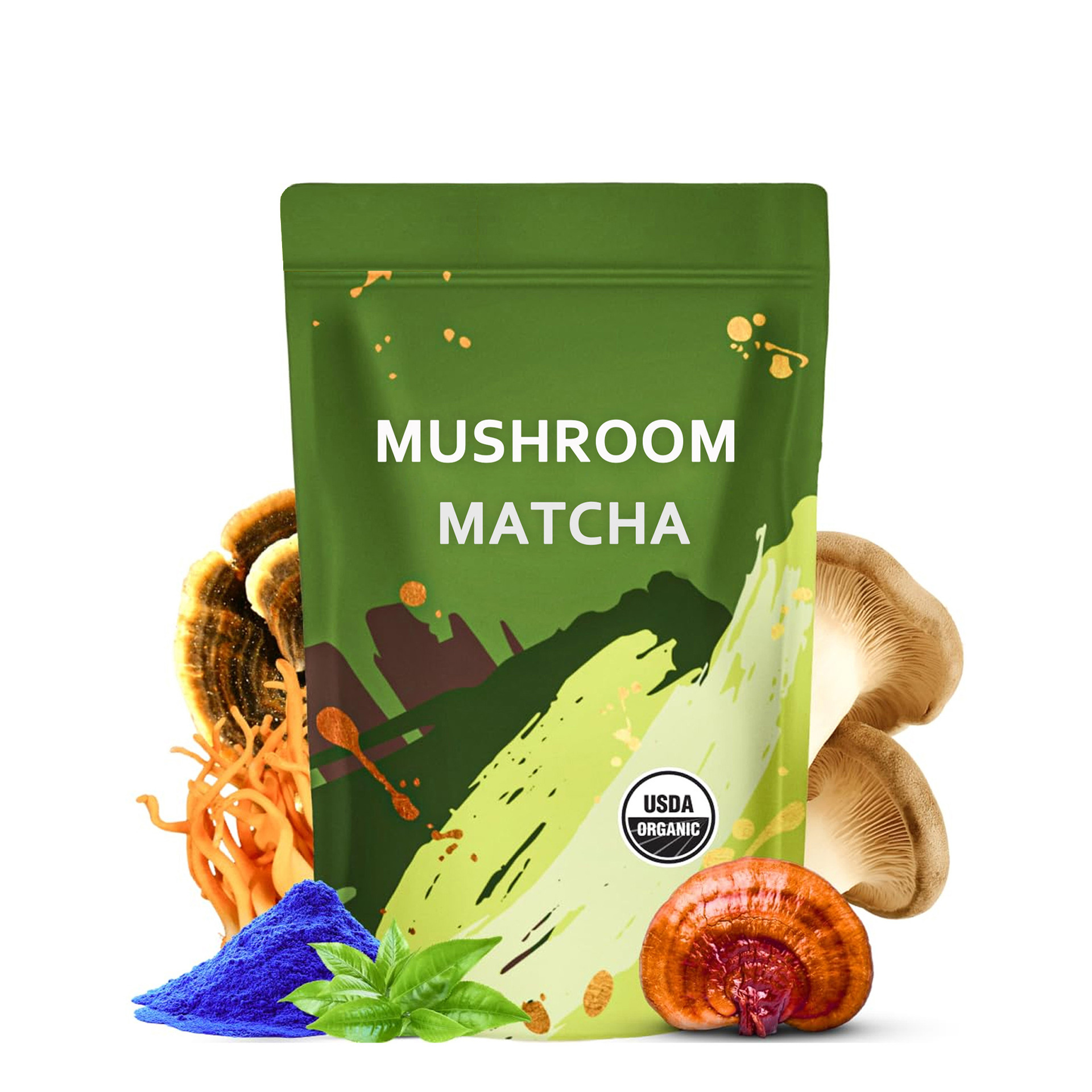
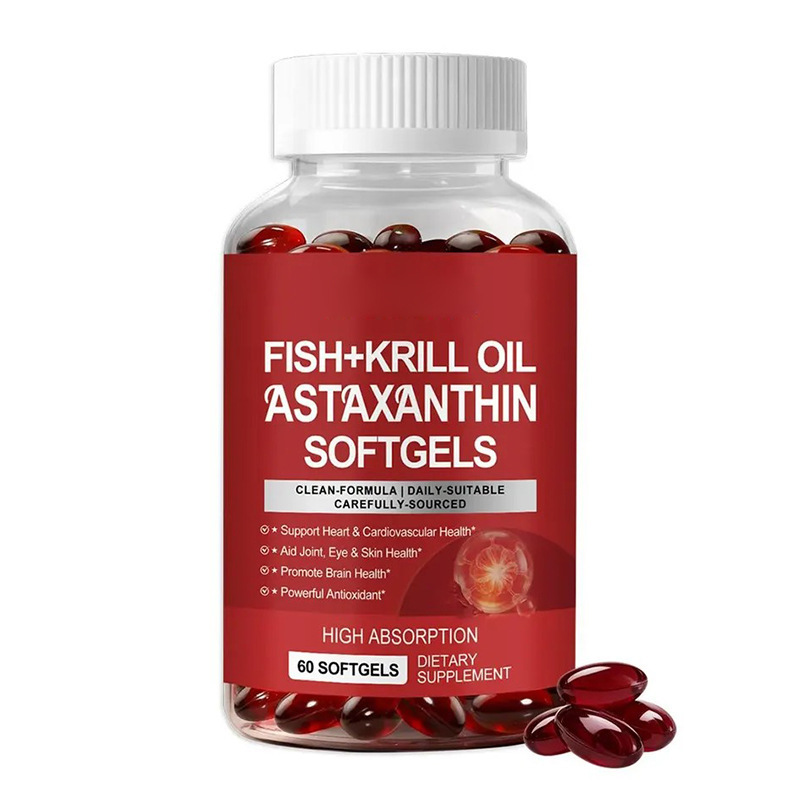
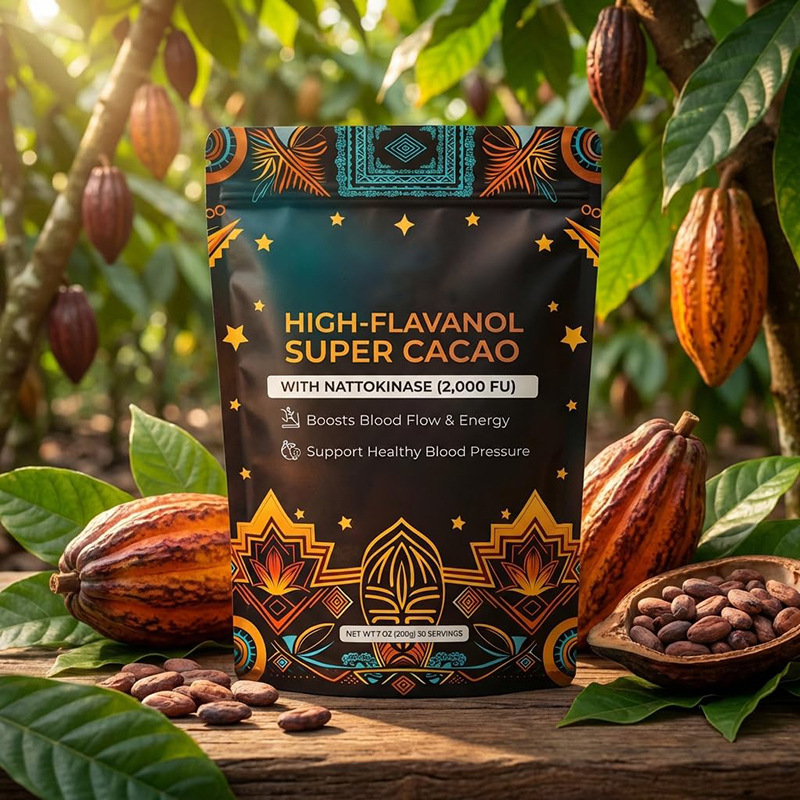
Gummy candies, with their Q-like texture, colorful shapes and diverse flavors, have become the "hot favorite" in the leisure snacks and functional food sectors. Behind this is the hard power of the gummy candy factory, which focuses on precise manufacturing processes, strict quality control and intelligent manufacturing to transform sweetness into stable products. From traditional starch molding to intelligent automated production lines, from basic flavor snacks to functional nutritional supplements, Dongguan Baokang Gummy Candy Factory is driving industry upgrades through innovation and becoming an important force in food manufacturing.
1. Core layout of the gummy candy factory: workshops and equipment
The production system of the gummy candy factory is built around "cleanliness, precision and efficiency", and the core areas are divided into raw material pre-treatment area, molding workshop, cooling and solidification area, packaging area and quality inspection laboratory. Each link is seamlessly connected.
1. Workshop standards and environmental control
Cleanliness level: Strictly follow **GMP (Good Manufacturing Practice)** standards, with workshop cleanliness reaching 100,000-level, and personnel need to go through changing clothes, air shower disinfection before entering to avoid microbial contamination.
Temperature and humidity control: The temperature in the molding area is controlled at 15–25℃, and the humidity is ≤60%, ensuring the stability of the gummy gel structure and preventing sticking or deformation.
Intelligent logistics: Adopt AGV unmanned transfer vehicles, robot automatic feeding and intelligent three-dimensional storage to achieve the automated circulation of raw materials and finished products, reducing manual intervention.
2. Core equipment configuration Table
Equipment TypeFunctions and UsesTechnical Highlights
Vacuum Boiling PotAccurately control the concentration of syrup and moisture, enhancing the toughness and shelf life of soft candiesReducing aroma loss in a vacuum environment, with temperature automatically adjusted to 110–130℃
Automatic Pouring MachineQuantitatively injects syrup into molds to achieve simultaneous production of multiple flavors and shapesHigh-precision nozzles, with a single pour error of ≤±1%, supporting customization of irregular molds
Starch Forming SystemTraditional soft candy forming process, through starch molds for shaping and drying脱模Starch molds are recycled, reducing costs, suitable for traditional fruit soft candies
Intelligent Sorting MachineRemoves damaged, stuck, and abnormal-shaped soft candies to ensure uniform appearanceTwo-way visual inspection, with a recognition rate of 99.9%, suitable for high-speed production lines
Automated Packaging LineCompletes measurement, bagging, sealing, labeling, and outer box packagingFull automation throughout the process, with a packaging speed of up to 120 bags per minute
II. The Complete Process of Soft Candy Production: From Raw Materials to Finished Products
The production process of a soft candy factory is not simply "boiling sugar + shaping", but a full-chain precise control of formula design - raw material management - shaping - solidification - packaging - quality control, with each step determining the product quality.
1. Formula Design and Raw Material Management
Core Raw Materials:
Gelatin: Gelatin (high elasticity), Pectin (refreshing and Q-elastic), Agar (high hardness), Mung Bean Gum (plant-based), determining the taste and shape of soft candies;
Sugar Source: White granulated sugar, Fruit Glucose Syrup, Maltitol (low-sugar version), regulating sweetness and moisture retention;
Flavors and Nutrition: Natural fruit juices, flavorings, acid regulators (citric acid), as well as vitamins, probiotics, collagen and other functional ingredients.
Raw material admission: Each batch of raw materials must undergo laboratory testing to ensure moisture, purity, and microbial standards are met. Unqualified raw materials are strictly prohibited from being stored.
2. Core Production Steps
Mixing and Boiling: Precisely weigh the raw materials and enter the vacuum boiling pot, heating and stirring, controlling the moisture content at 12%–15%, forming a stable syrup.
Pouring / Shaping: After the syrup cools to an appropriate temperature, it is injected into molds (starch molds or metal molds) through the pouring machine, quickly setting.
Cooling and Solidification: The formed soft candies are left to stand in the cooling area for 1–3 hours, allowing the gel structure to fully form, followed by drying in a dryer to remove surface moisture to prevent sticking.
Surface Treatment: Some products may require spraying polishing agents, acid coating, or coating with sugar coating to enhance taste and appearance.
Sorting and Packaging: After intelligent sorting to remove defective products, they enter the clean packaging area, bagging, sealing, and printing production date and batch number.
Finished Product Inspection and Storage: The finished products must undergo appearance, physical (moisture, sweetness), and microbial inspections. Those that pass are stored in a warehouse with a temperature of 20–25℃, ensuring stable quality within the shelf life.
III. The Three Core Competitiveness of the Soft Candy Factory
1. Process and Quality Control: Quality is the Lifeline
Full-process traceability: From raw material batches to production parameters (boiling temperature, pouring time), all are recorded through a digital system, allowing for quick identification and rectification of problems.
Multiple Quality Inspection Stages: Raw material testing → process sampling → full product inspection, covering indicators such as microorganisms, heavy metals, and additives, in line with national food safety standards and international certifications (HACCP, BRC).
Process Optimization: Reducing aroma loss through vacuum boiling, precisely controlling moisture and gel ratio, making soft candies "Q but not sticky, elastic but not hard".
2. Intelligent Manufacturing: Efficiency and Quality Dual Enhancement
Digital Monitoring: Sensors are deployed on the production line to collect data on temperature, humidity, weight, etc., enabling one-click process regulation and reducing human errors.
Flexible Production: The same production line can quickly switch flavors, shapes, and packaging specifications, adapting to small-batch customization and large-batch orders, meeting the diverse needs of brands. Green Energy Saving: Utilize energy-saving equipment and a water recycling system to reduce energy consumption and losses; intelligent warehousing reduces inventory backlog and enhances resource utilization.
3. Product Innovation: From snacks to functional consumer goods
Taste and Design Innovation: Combine IP collaborations (cartoon characters, game characters), seasonal limited-edition flavors (cherry blossom, osmanthus), and unique shapes (animals, fruits) to attract young consumers and children.
Functional Upgrade: Focus on "snacks as nutrition", launching vitamin gummies, probiotic gummies, collagen gummies, and vision fatigue relief gummies, expanding healthy consumption scenarios.
Health Trend:主打 low sugar / no sugar, natural ingredients, plant-based, reducing artificial colors and preservatives, meeting consumers' health needs.
Four. Industry Trends: The Future Direction of Soft Candy Factories
Market Continual Expansion: In 2026, the Chinese soft candy market size is approximately 14 billion yuan, and it is expected to exceed 26 billion yuan by 2030. Functional soft candies become the core growth engine, with an average annual growth rate of over 15%.
Technological Iteration Acceleration: AI sorting, digital twins, intelligent production scheduling, etc. technologies are popularized, promoting the factory to transform towards "unmanned, flexible, and intelligent".
Compliance and Safety Upgrade: With stricter food safety supervision, factories need to continuously improve quality control systems and obtain more international certifications to enhance export competitiveness.
Scene Segmentation Deepening: For specific groups such as children, women, the elderly, and fitness enthusiasts, develop customized soft candies to expand diverse consumption scenarios in office, fitness, and social settings. Conclusion
The candy factory is not only the "maker of sweetness", but also a microcosm of food manufacturing technology and innovation. From traditional manual production to intelligent automation, from basic snacks to functional nutrition, the candy factory adheres to quality with meticulous craftsmanship and promotes development through innovation. It is constantly driving the industry towards higher quality, better health, and more personalized directions. In the future, with technological breakthroughs and the upgrading of consumer demands, the candy factory will continue to illuminate more people's lives with its "soft, sweet and fragrant" qualities.
752830898@qq.com
400-9919-869
+86 13652471280
+86 13825769548